Villa Melano, Rivoli: restoration and adaptive reuse

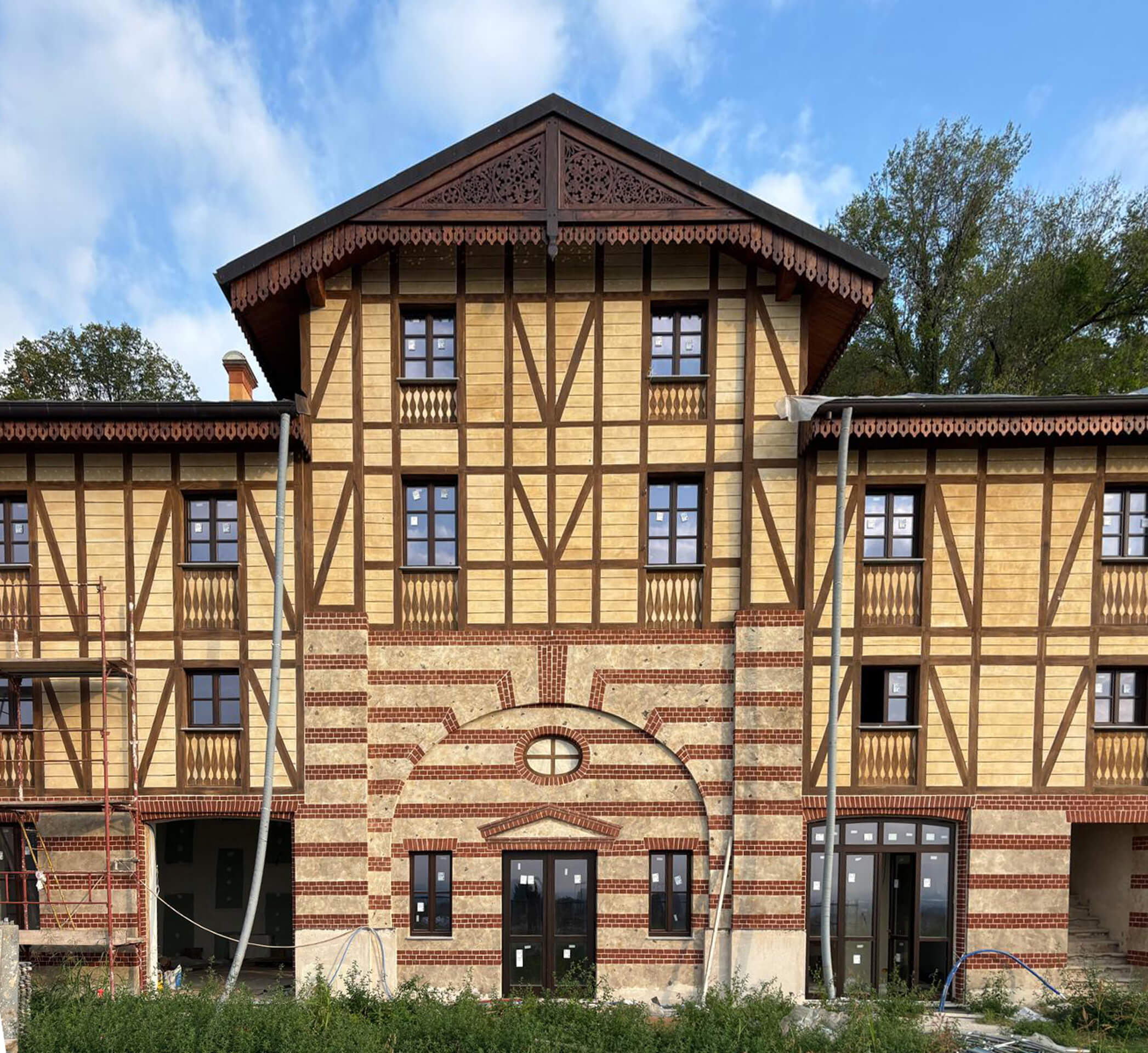
L'immagine mostra una facciata di un edificio in fase di ristrutturazione, probabilmente un esempio di restauro di una struttura storica. Ecco alcuni dettagli evidenti: Stile architettonico: L'edificio presenta uno stile tradizionale che richiama l'architettura half-timbered (a traliccio di legno), con un mix di legno e mattoni, tipico di alcune zone dell'Europa, come la Francia e la Germania. Le travi di legno in rilievo contrastano con le pareti in muratura, creando un effetto visivo distintivo. Materiali e finiture: La struttura combina il legno chiaro con mattoni rossi, che decorano la base dell'edificio, evidenziando le finestre e le porte. La parte superiore della facciata è decorata con un bordo intagliato di legno, che aggiunge un tocco di eleganza e dettaglio artigianale. La presenza di una scalinata di impalcature suggerisce che il lavoro di ristrutturazione è ancora in corso. Finestrature: Le finestre sono incorniciate da travi di legno scuro, con un design semplice ma elegante, e sono ancora protette con pellicole di plastica che indicano che non sono ancora pronte per l'uso. Spazio verde: Davanti all'edificio, c'è una piccola area di terreno verde che appare incolta, ma probabilmente sarà riorganizzata o rifinita una volta completata la ristrutturazione. Questo edificio potrebbe essere parte di un progetto di recupero di un'area storica, volto a preservare il fascino tradizionale mentre si integrano soluzioni moderne per la funzionalità e la vivibilità.

Villa Melano, Rivoli: restoration and adaptive reuse

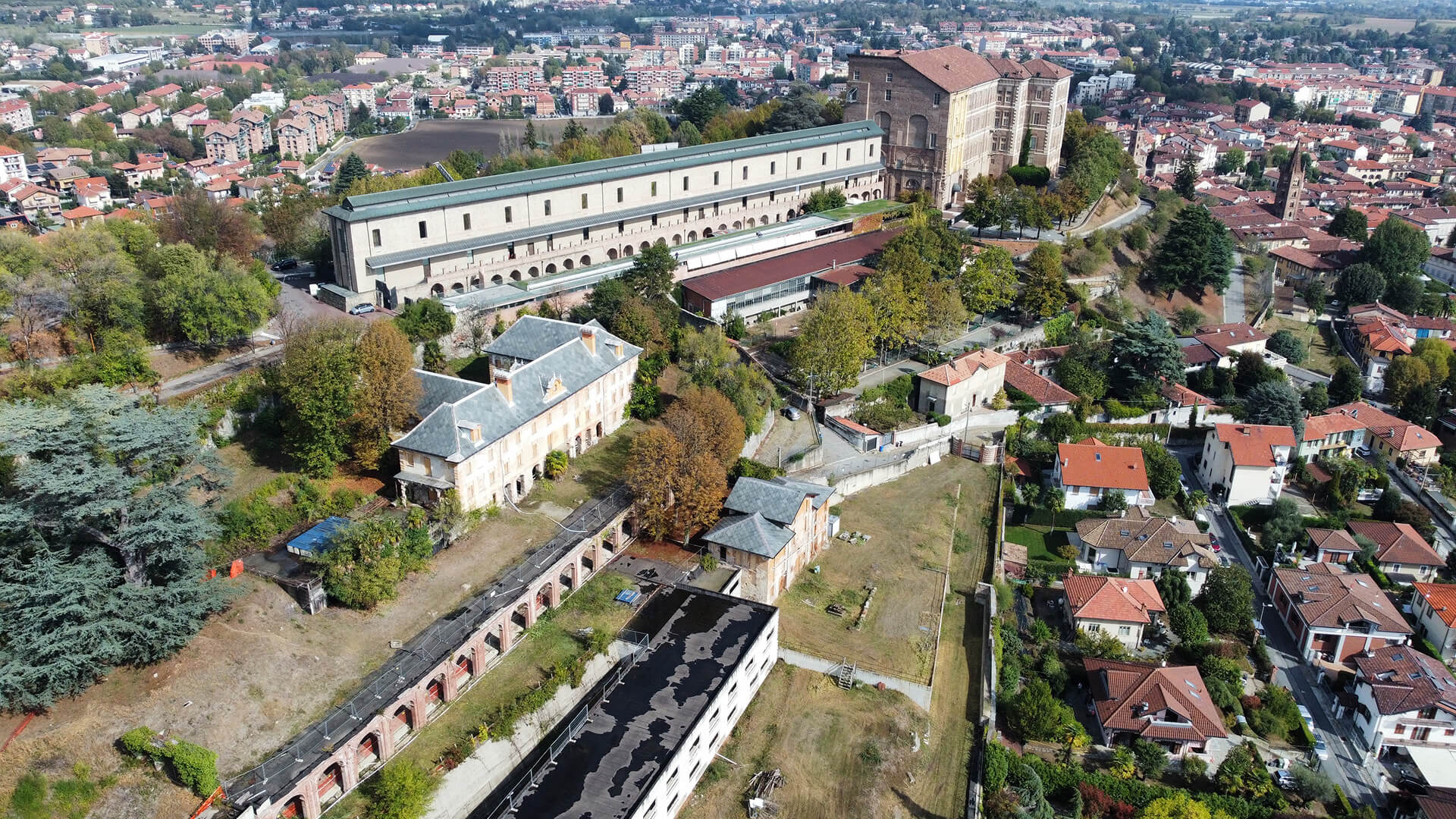
Villa Melano was born as a Capuchin convent in 1601, refunctionalized in the 19th century as a villa of delights by the Melano family, who radically modified its configuration in line with 19th-century taste.  Towards the end of the 19th century, the property was donated to the Maria Vittoria Hospital in Turin for use as a facility for war invalids. Over time, the high management costs caused its gradual abandonment, until the complex passed to the Municipality of Rivoli. The recovery and restoration project of the complex is divided into three main lots: The Villa Antica, intended for hotel and accommodation functions; The Swiss Building, which houses residences for artists and the caretaker’s accommodation, to support the management of the entire complex; finally, the former Citroniera was designed to become a multifunctional space. These three artefacts are related to each other through the design of the external spaces and appurtenant green areas, which link the architectural elements into a single landscape whole.  The works planned as part of the extraordinary maintenance project, both for construction and plant engineering, are part of a sustainability strategy inspired by the principles of the GBC Historic Building protocol and the Minimum Environmental Criteria for public construction.

Rivoli-Turin,  2023-Works in progress
Client: City of Rivoli
Value of works: 9.110.000€
Architectural project: Giovanni Durbiano and Isolarchitetti 
Structural project: MCM Ingegneria Srl
Building subject to protection under Legislative Decree no. 42/2004
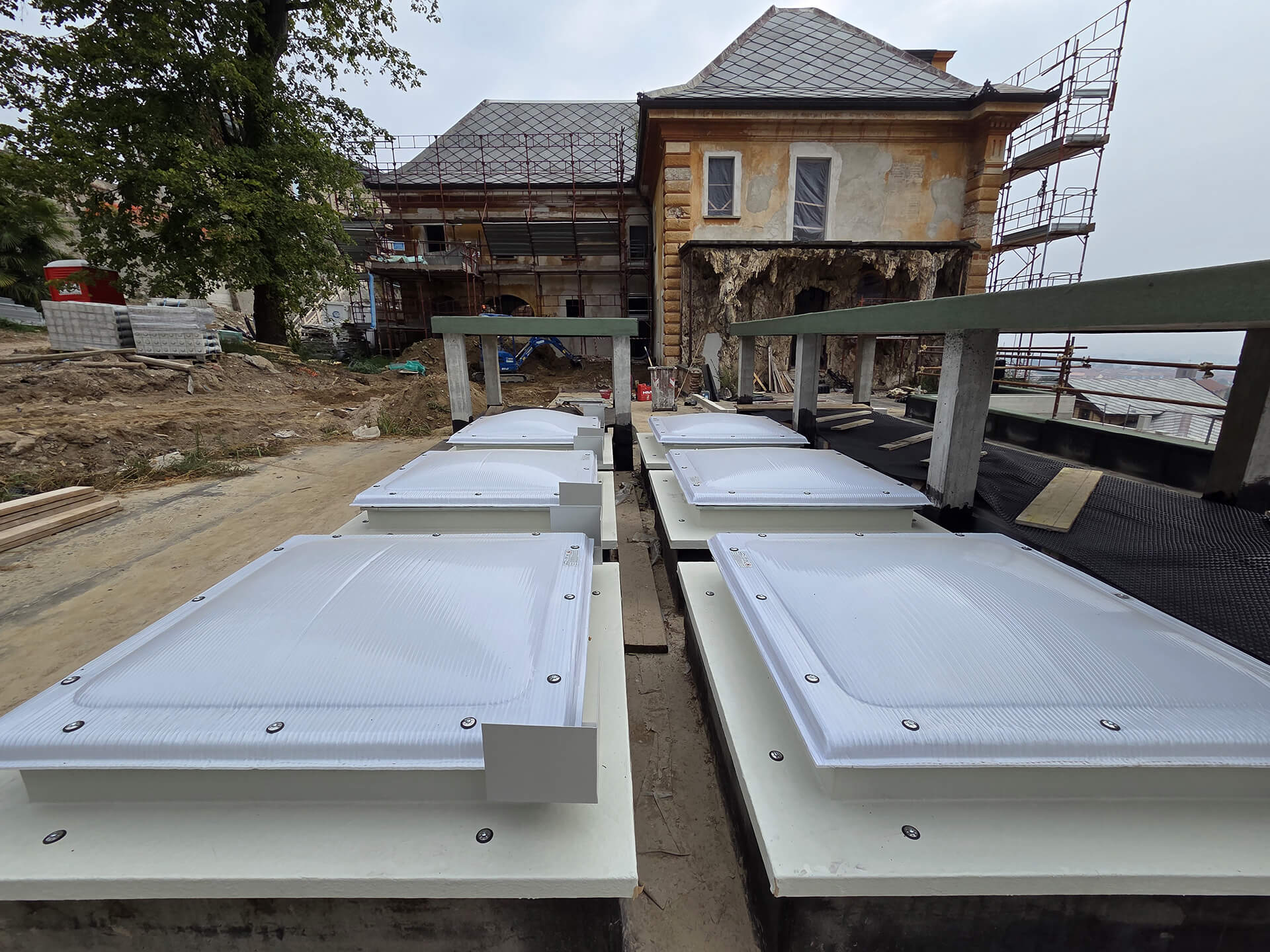
The image shows a renovation project on a historic building, focusing on a series of skylights installed on the roof. The skylights are mounted on metal structures, likely made of steel, and appear to be part of a building restoration or renovation project. In the background, a building undergoing renovation is visible, with a visibly damaged façade and shelving for support during the work. The surrounding area appears to be in preparation, with construction materials such as bricks, wood, and other tools visible nearby. The trees and vegetation suggest the building is located in a relatively quiet area, away from urban traffic. The overall scene suggests a building renovation project that combines modernization (with the installation of skylights) with the restoration of the existing structure.

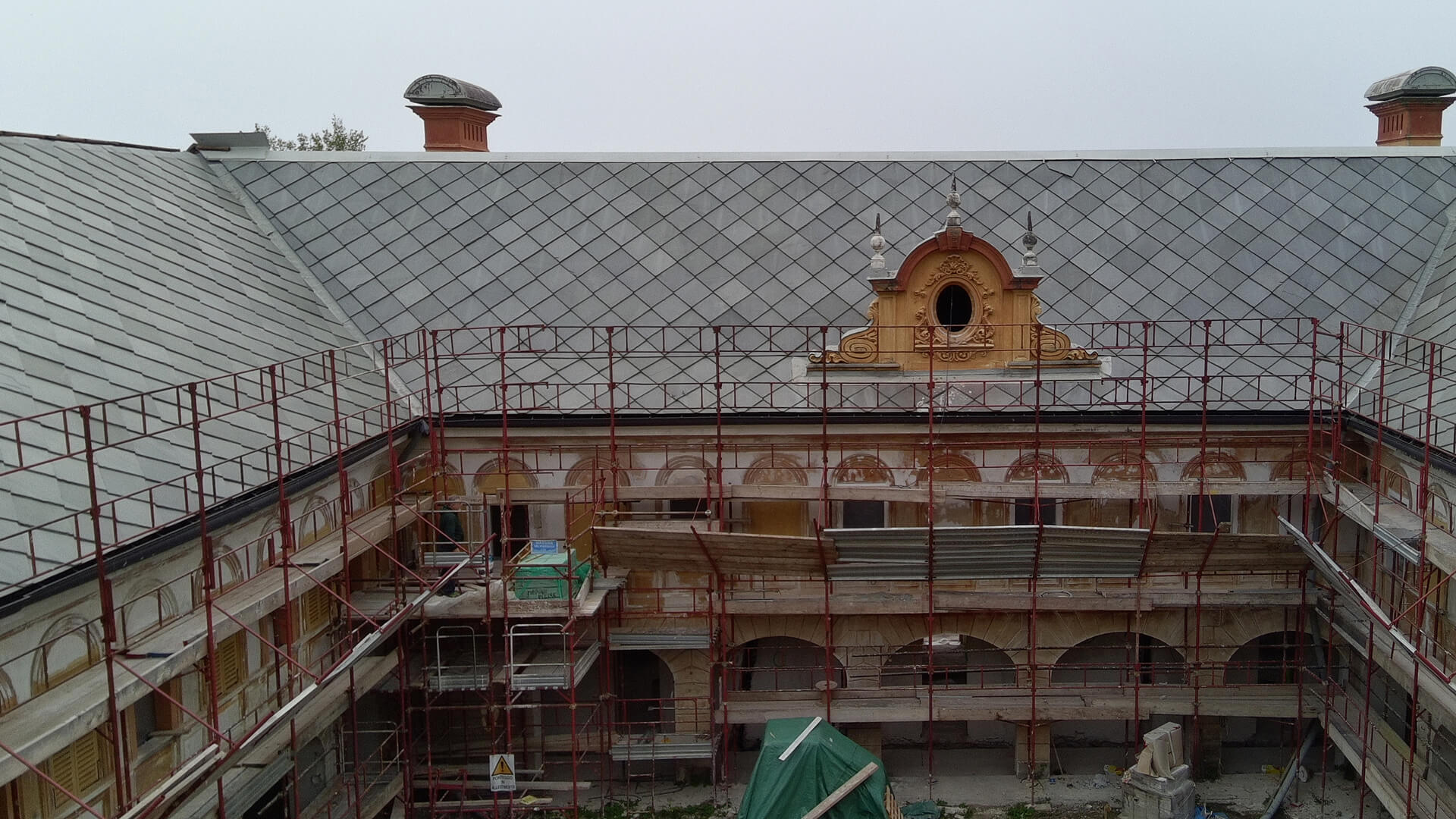
The image shows the roof of a historic building undergoing renovation. A new, neatly arranged tile roof can be seen, replacing or restoring the existing one. The building is partially surrounded by red scaffolding, allowing workers to access the higher areas to complete the restoration and renovation. In the foreground, we can see a window decorated with architectural details and an ornamental element above the window. The structure itself appears to be undergoing restoration, with some finishing work on the lower facade visible. The roof, in particular, is nearly complete, while work on the facade appears to still be underway, with many sections protected or dismantled. The context suggests that the restoration is attempting to preserve the building's historic character, maintaining the original architectural elements, such as the details around the windows and the gabled roof, while simultaneously modernizing the building.

The image shows an aerial view of an architectural complex located on a hill, featuring historic buildings and a panoramic view of the surrounding city. In the foreground, several buildings with red pitched roofs are visible, located in a residential area. At the center of the scene are several historic buildings, with their distinctive architectural style, green courtyards, and a layout suggesting ample space. The largest visible complex consists of a long, multi-story building, located on a green plot, with gardens and trees surrounding its edges. Next to this building, a scaffolded structure can be seen, likely undergoing restoration, while behind it stands another, taller, more massive building with a monumental façade. The surrounding landscape is characterized by a sparsely populated city, with residential houses arranged along the hills. The vegetation, green spaces, and paths connecting the historic complex with the residential area indicate that the site was designed to harmoniously integrate with the landscape. This scene offers an overview of how the historic building and the surrounding area can be renovated or restored, adding modernity and comfort, without losing the connection with its history and original architecture.

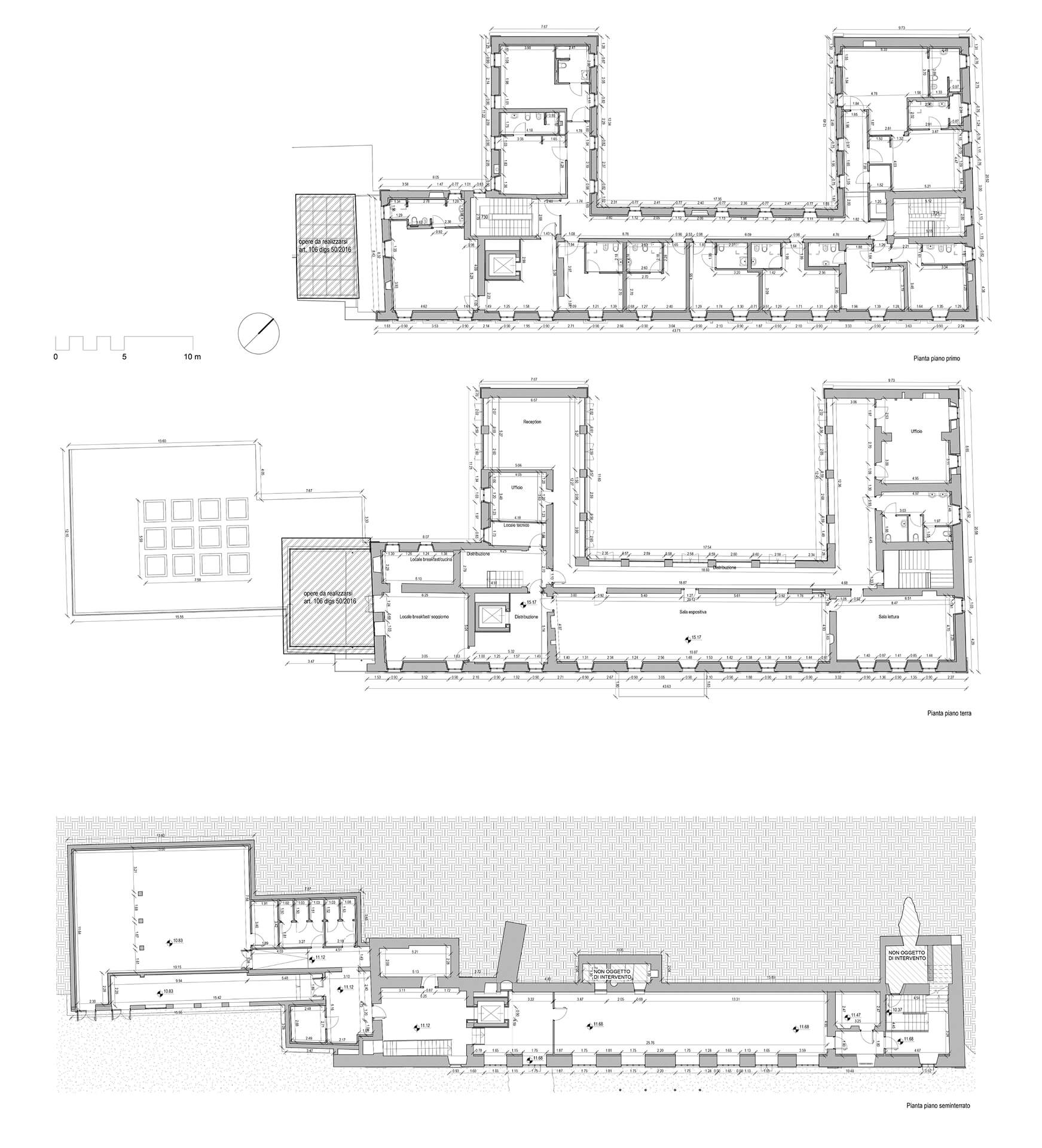
The drawing shows the floors of a building, likely a residential or functional complex, spread across multiple levels. Three floors are visible, including the ground floor, the first floor, and the basement. The ground floor has a rectangular layout, with large spaces and corridors connecting various rooms. Some rooms are separated by walls, such as those of bedrooms or offices. At the far end is a large courtyard or central area, with several more open spaces. Bathrooms and staff quarters can also be seen, likely designed to optimize the floor's functionality. The entrance area is easily accessible, and the layout suggests a functional flow. The first floor, which follows a similar plan to the ground floor, appears to have been intended to accommodate additional rooms, likely bedrooms or offices. The room layout is similar to that of the ground floor, but with minor changes in the layout. Several connecting corridors provide access to the rooms, with a clear separation between private and service areas. The basement has a more functional area, perhaps intended for service spaces such as cellars, storage areas, or technical areas. The entrance to the basement is located on the side of the building. The layout suggests that this level is used to support the activities of the upper floor and could house elements such as technological systems, heating systems, or storage spaces. Overall, the building appears to be designed for functional use, with good flow between the various floors and spaces. Each floor is well-divided, with common and private areas. Furthermore, the presence of a central area with large windows suggests the importance of taking advantage of natural light and creating a welcoming atmosphere.

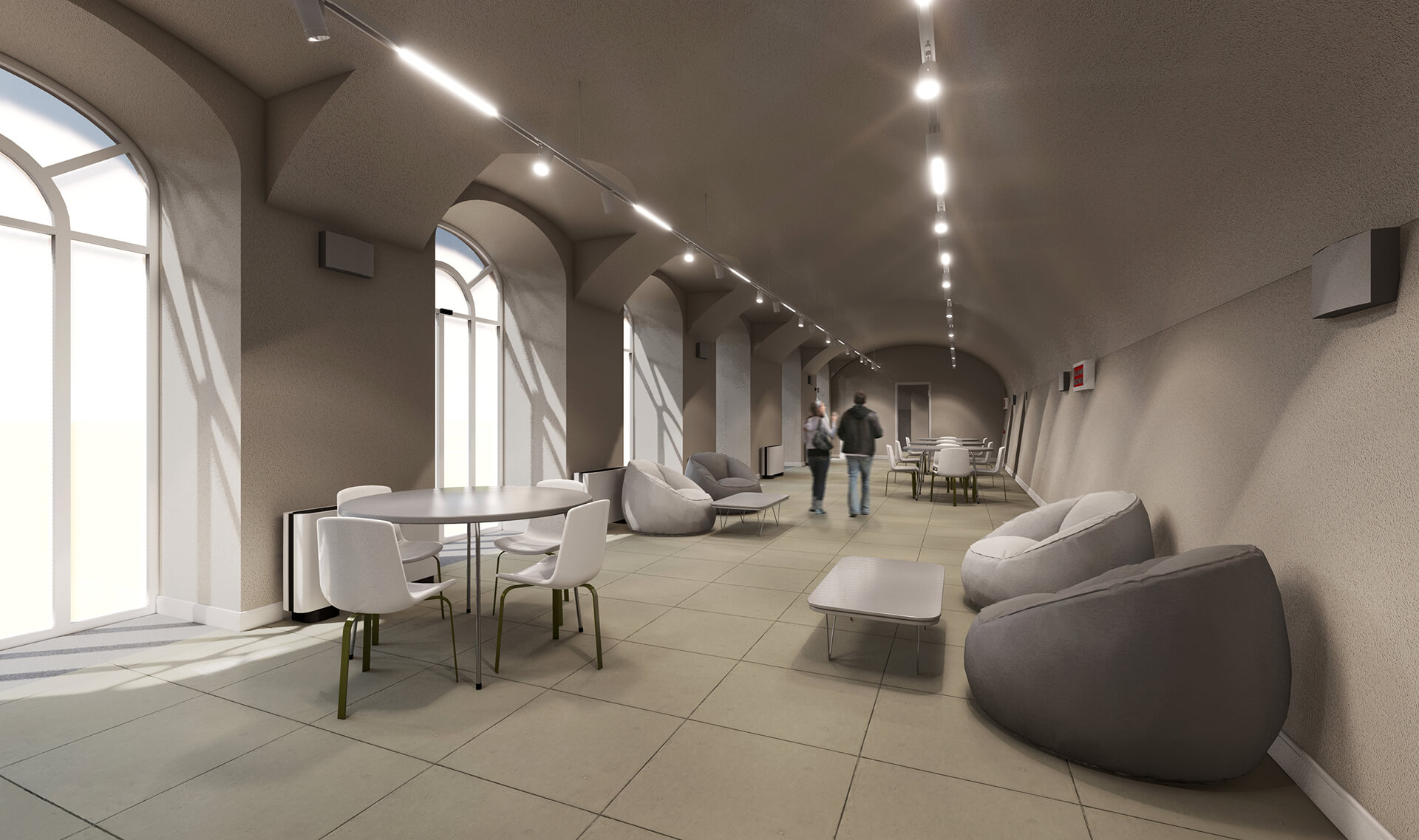
The image shows a modern, well-lit interior with a welcoming and functional atmosphere. The space features distinctive architectural features, such as rounded arches and large windows that let in plenty of natural light, creating a bright atmosphere. The walls are painted a neutral color, adding a sense of spaciousness. Key details of the space: Furnishings: Soft armchairs and modern metal chairs lend a contemporary and comfortable feel to the space. The beanbag chairs, in particular, add a touch of informality, suggesting the space could be used for socializing, relaxing, or studying. Lighting: Evenly distributed light is provided by ceiling spotlights, highlighting the height and curves of the ceiling. Lighting is strategically placed along the ceiling, without obscuring the view outside through the windows. Space: The floor is tiled with large-format tiles, which contribute to the airy, modern feel. The large space allows for free movement, with tables and chairs arranged in a functional yet informal manner. Overall, the atmosphere conveys a sense of modernity, openness, and comfort, suggesting the space could be used for group activities or as a common area within a public building or study center.

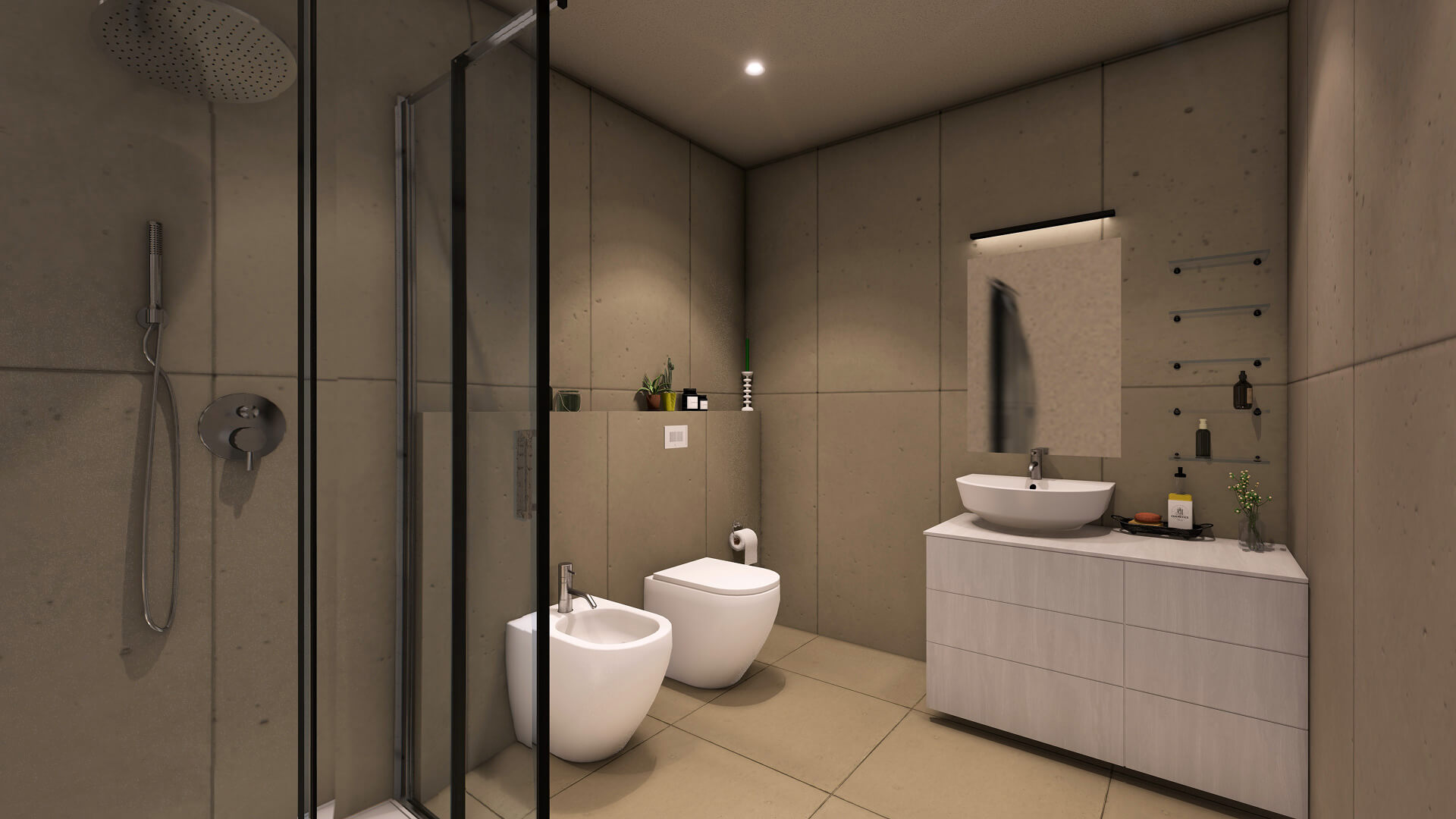
The image shows a modern, minimalist bathroom, characterized by smooth surfaces and neutral tones. Here are the key design details: Key details: Walls and floor: The walls are finished with light gray cement tiles, giving the space a contemporary, industrial look. The floor is made of large, smooth tiles that match the walls perfectly. Shower: The shower area is separated by a transparent glass wall, giving the impression of an airy space. The shower head is round, elegant, and minimalist, integrating well with the overall design. Furniture: The sink, with a modern design, sits on a light wood cabinet underneath, with a neat storage area for toiletries. Small decorative items such as plants and perfume bottles are displayed next to the sink. Toilet and bidet: These white ceramic items are positioned next to each other, completing the clean, uncluttered look of the bathroom. Lighting: The lighting is modern and well-distributed, with soft lights strategically placed to highlight the surfaces and create a relaxing atmosphere. The space is characterized by its understated, minimalist style, featuring modern materials and a functional layout. The combination of concrete walls and elegant, simple furnishings creates a refined and tranquil atmosphere, perfect for a contemporary bathroom.

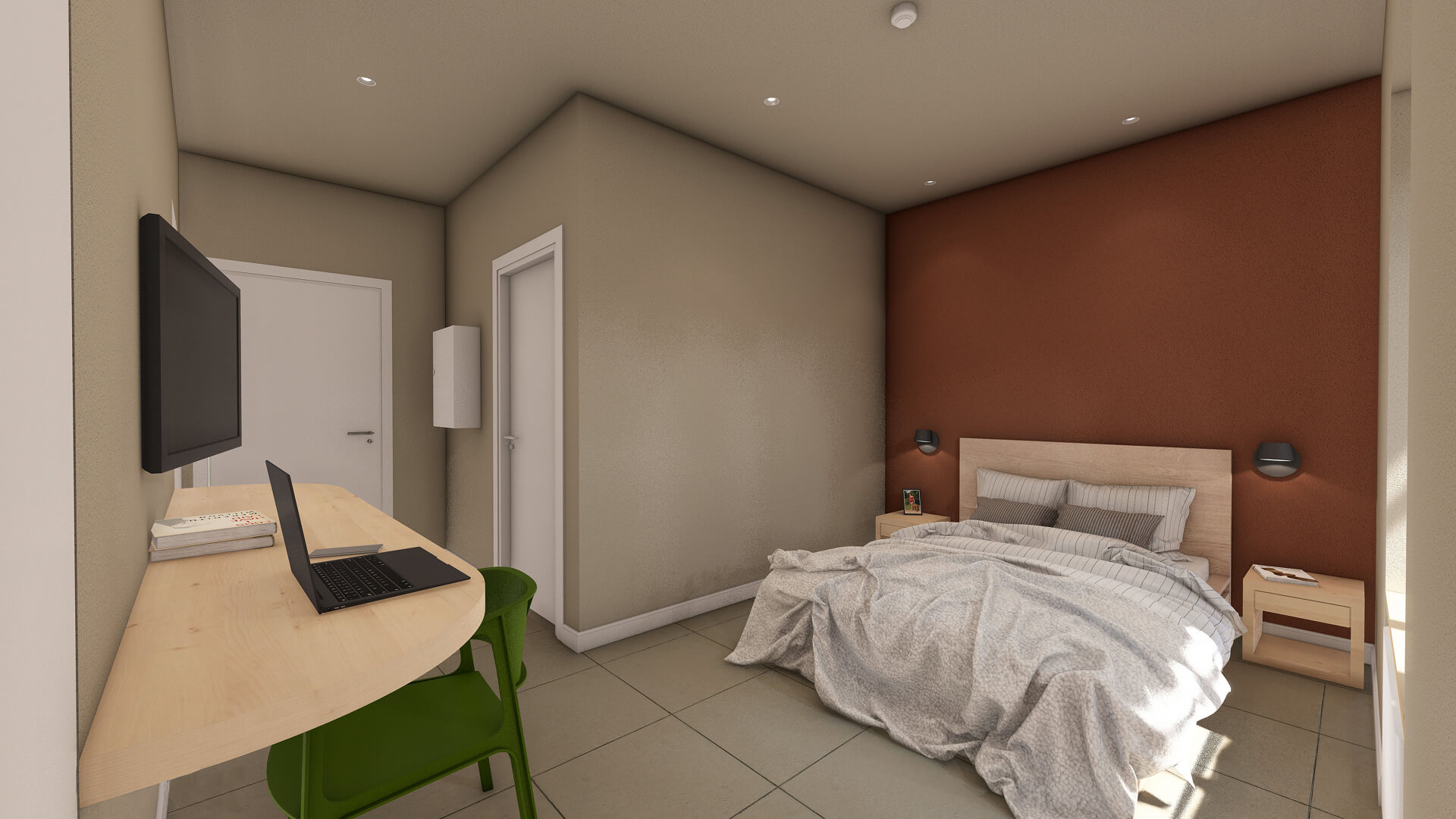
The image shows a modern and functional bedroom with a welcoming, minimalist feel. Here are the key details: Key details: Walls and colors: The walls are in neutral tones, with an interesting contrast provided by the back wall, a warm terracotta color that adds personality to the space. This color accentuates the bed area and creates a focal point in the room. Bed: The bed is simple, with a light wood headboard that matches the surrounding furniture. The sheets are in neutral tones, with subtle streaks that lend a relaxed feel. Lighting: The pendant lights above the bedside tables are modern and minimalist, creating functional lighting without overpowering the space. Desk: A minimalist light wood desk sits in one corner of the room, with a laptop and some books. The bright green chair provides an interesting and vibrant contrast, adding a pop of color to the space. Details and accessories: Next to the bed, a table lamp and a framed photo decorate the bedside table, adding personality and a touch of comfort to the room. Overall look: The room is designed to be practical and welcoming, using clean lines and soft colors. The use of simple, functional furnishings, such as the desk and bed, creates a perfect environment for relaxation and work. The contrast between the terracotta wall and the other lighter elements makes the room interesting but not overbearing.

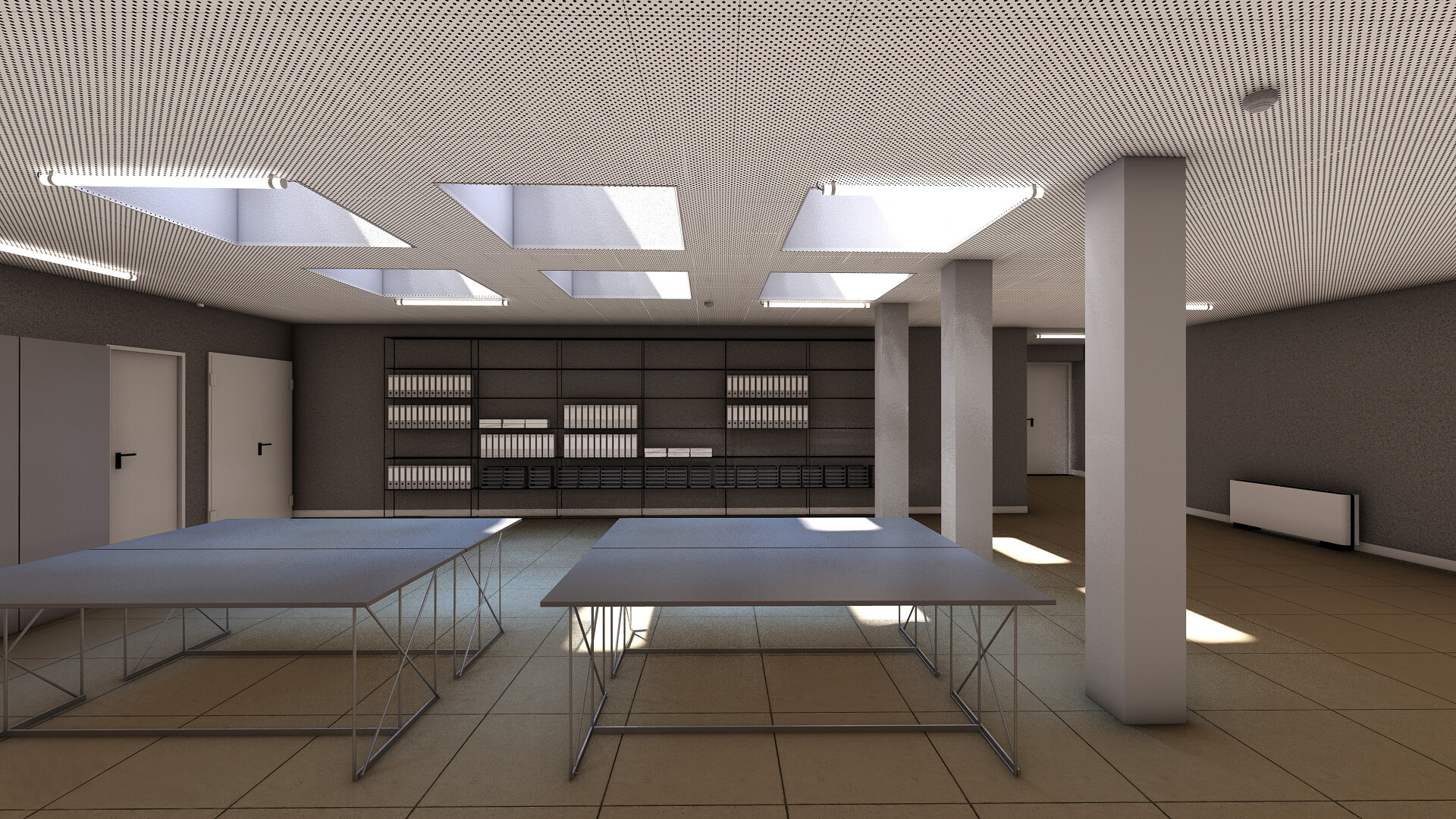
The image shows a modern and functional workspace, likely an office or filing room. Here's a description of the details: Key details: Natural light: The skylights in the ceiling allow a good amount of natural light to flood the room, illuminating it and creating a more airy and comfortable atmosphere. Furniture: The tables are made with a simple, modern metal frame, with a minimal and functional design. They're perfect for a space where space is needed for working or filing. Walls and colors: The walls are a light gray, with a contrasting accent provided by the metal bookcase holding files and documents. The space has a clean and tidy look, with a sense of order and precision. Storage and shelves: On the left side of the room, a series of neatly aligned metal shelves provide ample storage space. This suggests the room could be used to store documents or work materials. Minimal furnishings: There are no superfluous decorations or furnishings, helping to keep the space tidy and functional. The doors are simple, without obvious decorations, maintaining the focus on the practical use of space. General appearance: The space has a minimalist design, with simple lines and functional furnishings. Natural lighting and the use of materials such as metal and light wood contribute to a bright, welcoming, and professional atmosphere. This type of space would be ideal for activities that require order and concentration.

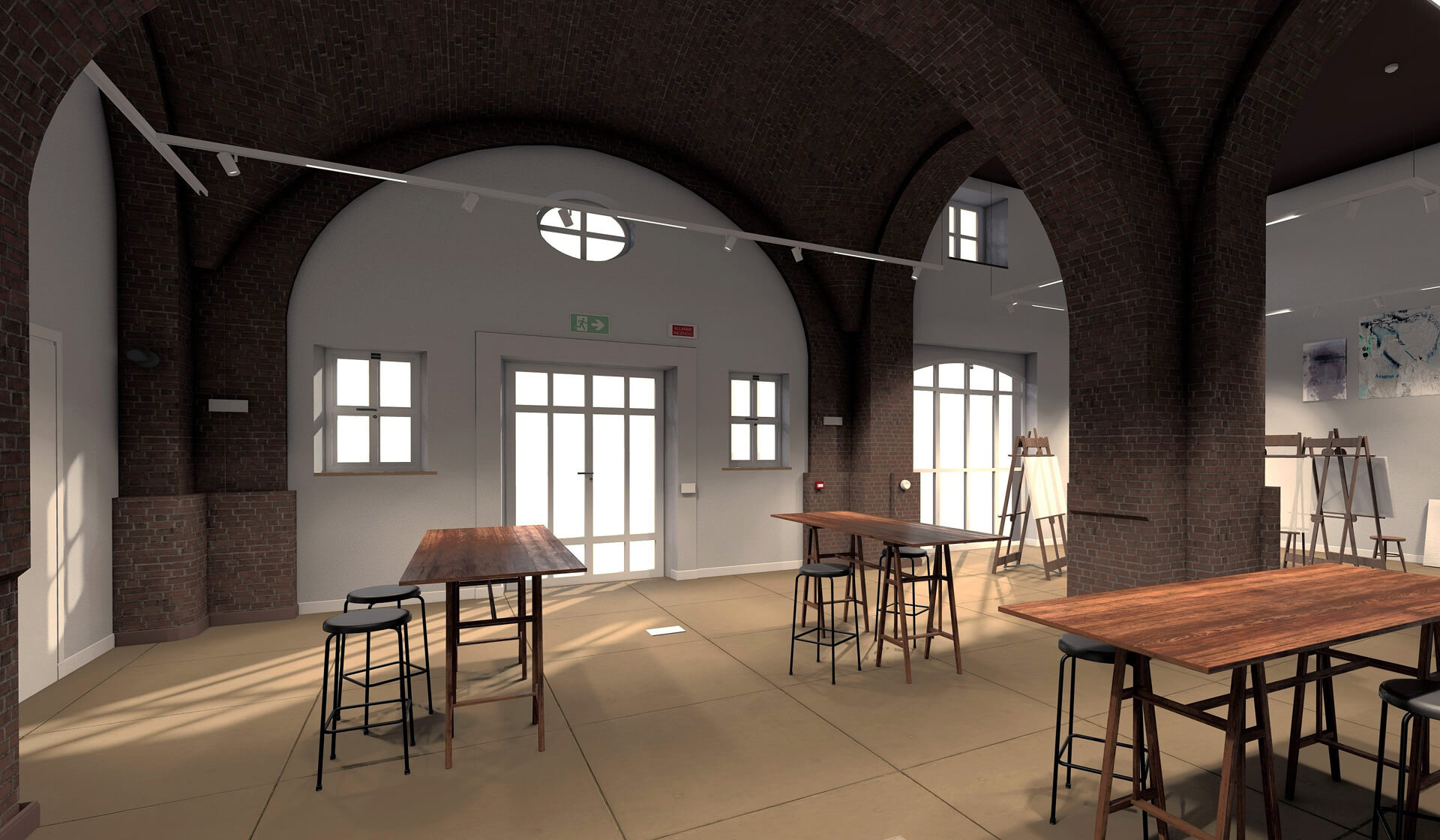
The image shows a large, bright space, likely a room dedicated to artistic or creative activities, such as a painting studio or art gallery. Here's a detailed description of the space: Key details: Structure and materials: The ceiling features exposed brick arches, giving it an industrial, rustic look. The bricks are a distinctive architectural element that adds character and history to the space, while the walls are generally light, with a smooth finish that contrasts with the ceiling. Natural and artificial lighting: Natural light floods in thanks to the leaded windows, allowing the room to remain bright throughout the day. Artificial lighting is provided by track lights positioned along the ceiling, which evenly illuminate the space. Furniture: The room is furnished in a simple yet functional style. There are tall dark wood tables and tall metal chairs, perfect for group activities or for creating separate work nooks. The room also features easels, suggesting this space is intended for creatives or artists. Atmosphere: The space has a relaxed atmosphere, conducive to concentration and creativity. The combination of natural materials like wood and brick with modern lighting creates a balance between old and new, lending a sense of history without sacrificing functionality. Use of space: The room appears to be designed for artistic pursuits, with ample space for working, painting, or crafting. The tall tables and easels are a clear indication of a creative workshop or art room. The open layout fosters a collaborative environment, while natural light contributes to a stimulating atmosphere.

The image shows a large, bright space, likely a room dedicated to artistic or creative activities, such as a painting studio or art gallery. Here's a detailed description of the space: Key details: Structure and materials: The ceiling features exposed brick arches, giving it an industrial, rustic look. The bricks are a distinctive architectural element that adds character and history to the space, while the walls are generally light, with a smooth finish that contrasts with the ceiling. Natural and artificial lighting: Natural light floods in thanks to the leaded windows, allowing the room to remain bright throughout the day. Artificial lighting is provided by track lights positioned along the ceiling, which evenly illuminate the space. Furniture: The room is furnished in a simple yet functional style. There are tall dark wood tables and tall metal chairs, perfect for group activities or for creating separate work nooks. The room also features easels, suggesting this space is intended for creatives or artists. Atmosphere: The space has a relaxed atmosphere, conducive to concentration and creativity. The combination of natural materials like wood and brick with modern lighting creates a balance between old and new, lending a sense of history without sacrificing functionality. Use of space: The room appears to be designed for artistic pursuits, with ample space for working, painting, or crafting. The tall tables and easels are a clear indication of a creative workshop or art room. The open layout fosters a collaborative environment, while natural light contributes to a stimulating atmosphere.

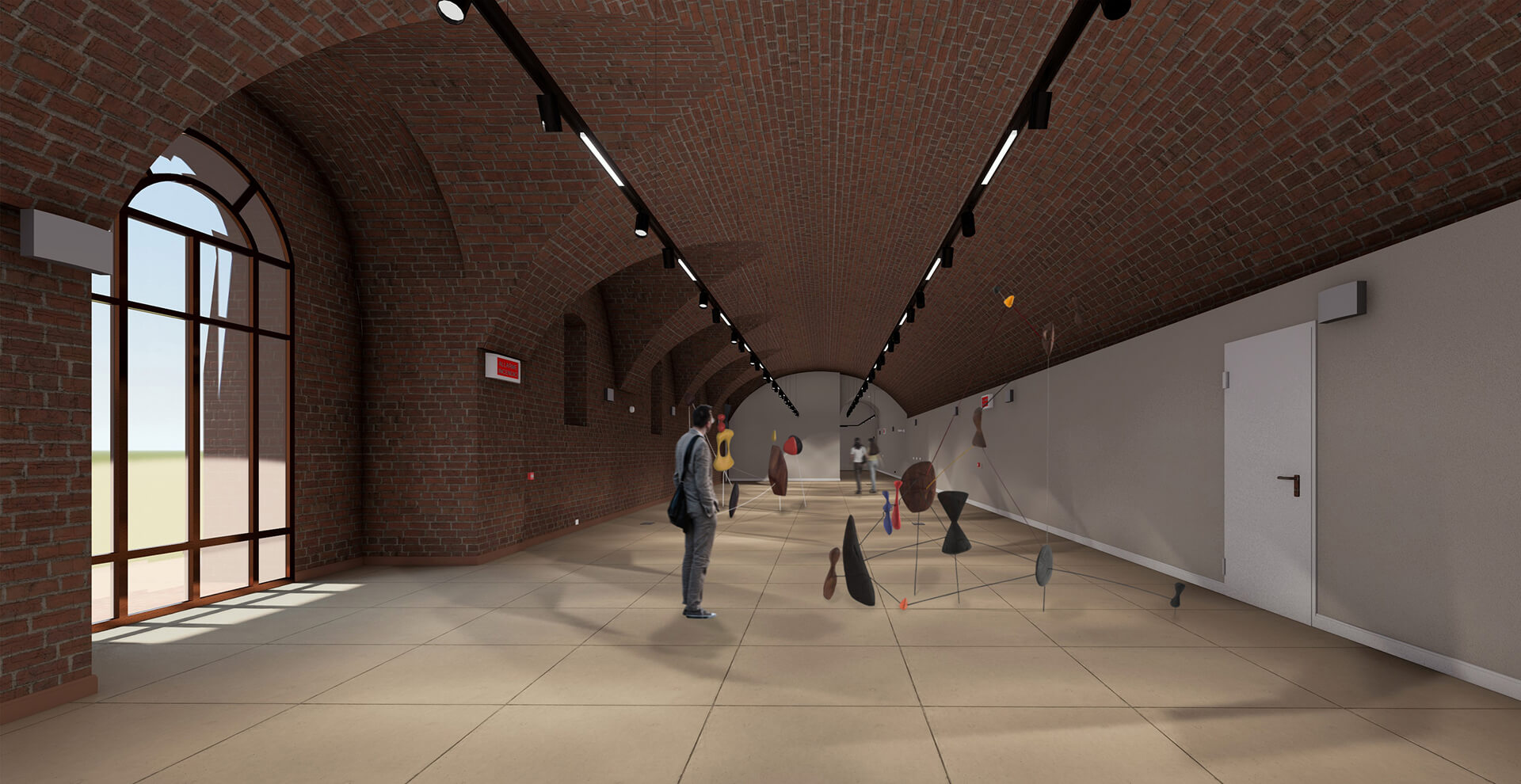
The image shows a large, modern exhibition space, likely inside an art gallery. Here's a detailed description: Key details: Structure and materials: The vaulted ceiling is made of exposed brick, lending a historic, rustic feel. The side walls are smooth and painted a light color, creating an elegant contrast with the ceiling. The beige tile floor creates a bright, clean atmosphere. Natural light: A large window, visible on the left, lets in an abundance of natural light, illuminating the room and creating interesting reflections on the floor. Artificial lighting: Recessed ceiling lights and directional spotlights provide direct illumination of the art pieces on display, highlighting the sculptures and other objects. Art exhibition: In the center of the room, sculptures hang on metal supports. The artworks have abstract, colorful shapes, adding a touch of modernity to the space. People: Two people are exploring the exhibition; one is observing a sculpture while the other is approaching another piece. People are dressed casually, creating a relaxed and welcoming atmosphere. Atmosphere: The space has a modern and refined feel, perfectly balancing the historic structure with contemporary art. Lighting plays a key role in showcasing the exhibits, while the large windows and vaulted architecture create an airy, spacious atmosphere. The presence of people suggests a cultural gathering place, inviting visitors to explore and appreciate art in a comfortable and inspiring setting.