Corso Raffaello: university campus

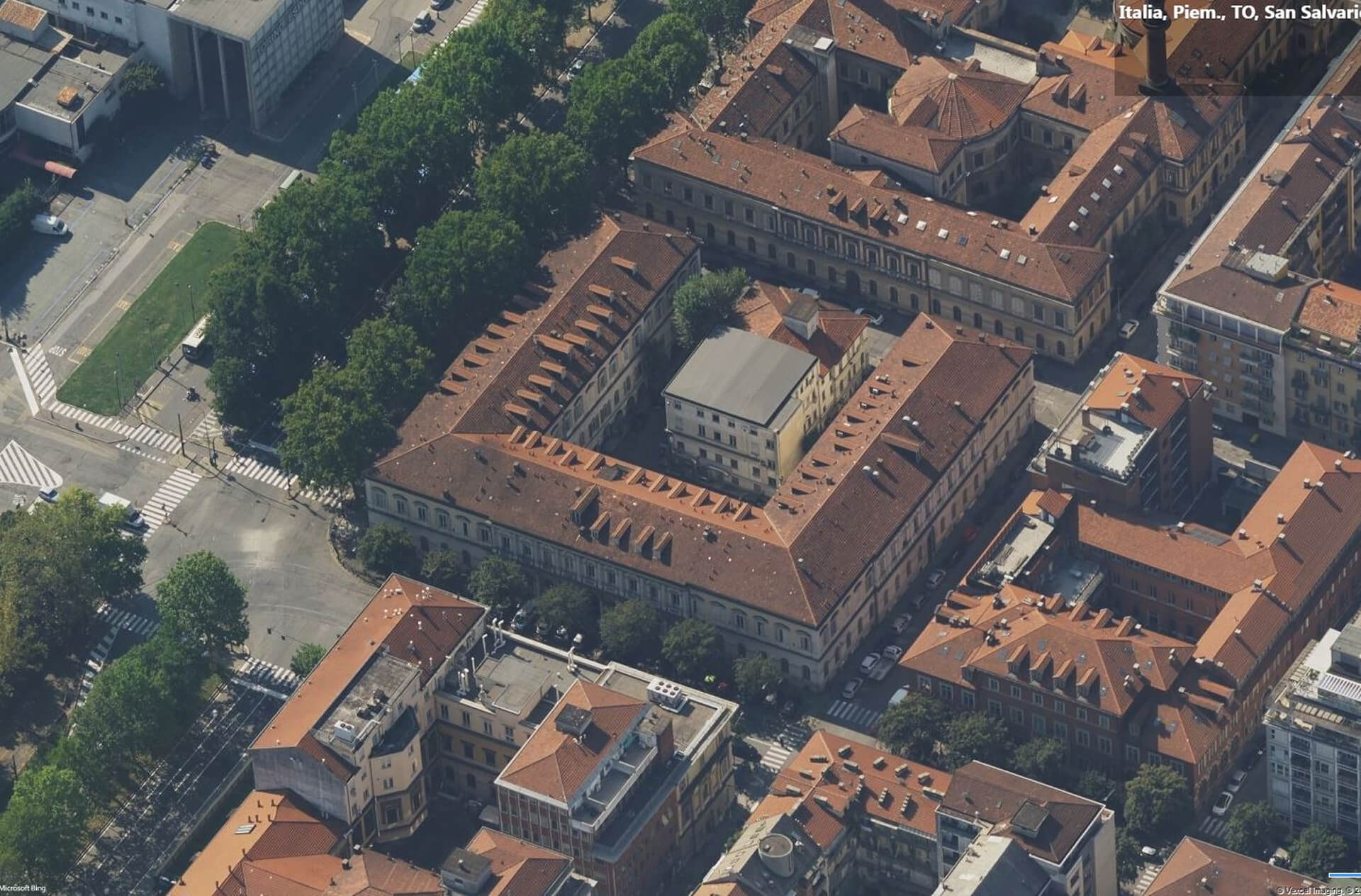
Vista aerea del tessuto urbano con isolato storico a corte chiusa caratterizzato da edifici con coperture in laterizio e impianto rettangolare organizzato attorno a cortile interno. Il complesso, inserito in un contesto urbano compatto con strade alberate e incroci viari, è circondato da edifici residenziali e strutture pubbliche di diversa epoca. L’immagine evidenzia la morfologia dell’isolato, la continuità delle facciate lungo il perimetro e il rapporto tra il complesso architettonico e il sistema urbano circostante.

Corso Raffaello: university campus

At Corso Raffaello 30, in the heart of the “City of Science,” this project focuses on a historic university building, aiming to restore its efficiency and safety, create new workspaces, and preserve its identity. The roof has been entirely redesigned with a new, non-thrusting wooden structure that is well insulated for energy efficiency. The dormers have also been uniformly redesigned, fully respecting both landscape constraints and the building’s original appearance.

SEE MORE

Turin, 2023 – Work in progress
Client: Università degli Studi di Torino
Value of works: 5.000.000 €
Architectural project: Giovanni Durbiano
Structural and building services engineering: MCM Ingegneria Srl
Building subject to protection under Legislative Decree no. 42/2004
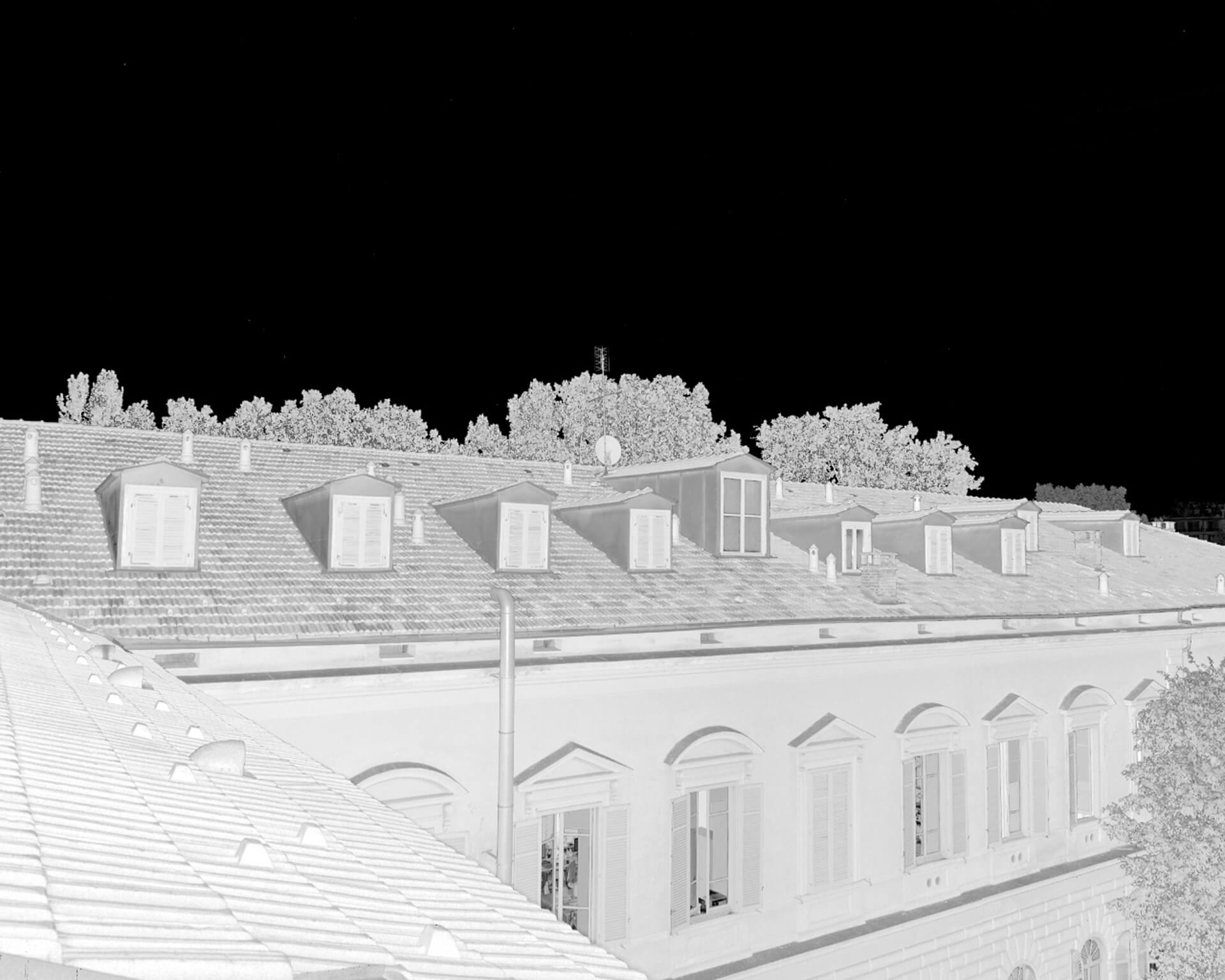
View of the roofs of a historic building with a pitched tile roof and aligned dormer windows along the ridge, represented in a high-contrast monochrome image used for technical analysis or digital surveying. The façade below features regular openings with molded frames and shutters, while trees and the city skyline can be seen in the background. The image is a technical document, likely derived from a scan or three-dimensional model, used to study the geometry of the roof and the existing architectural context.

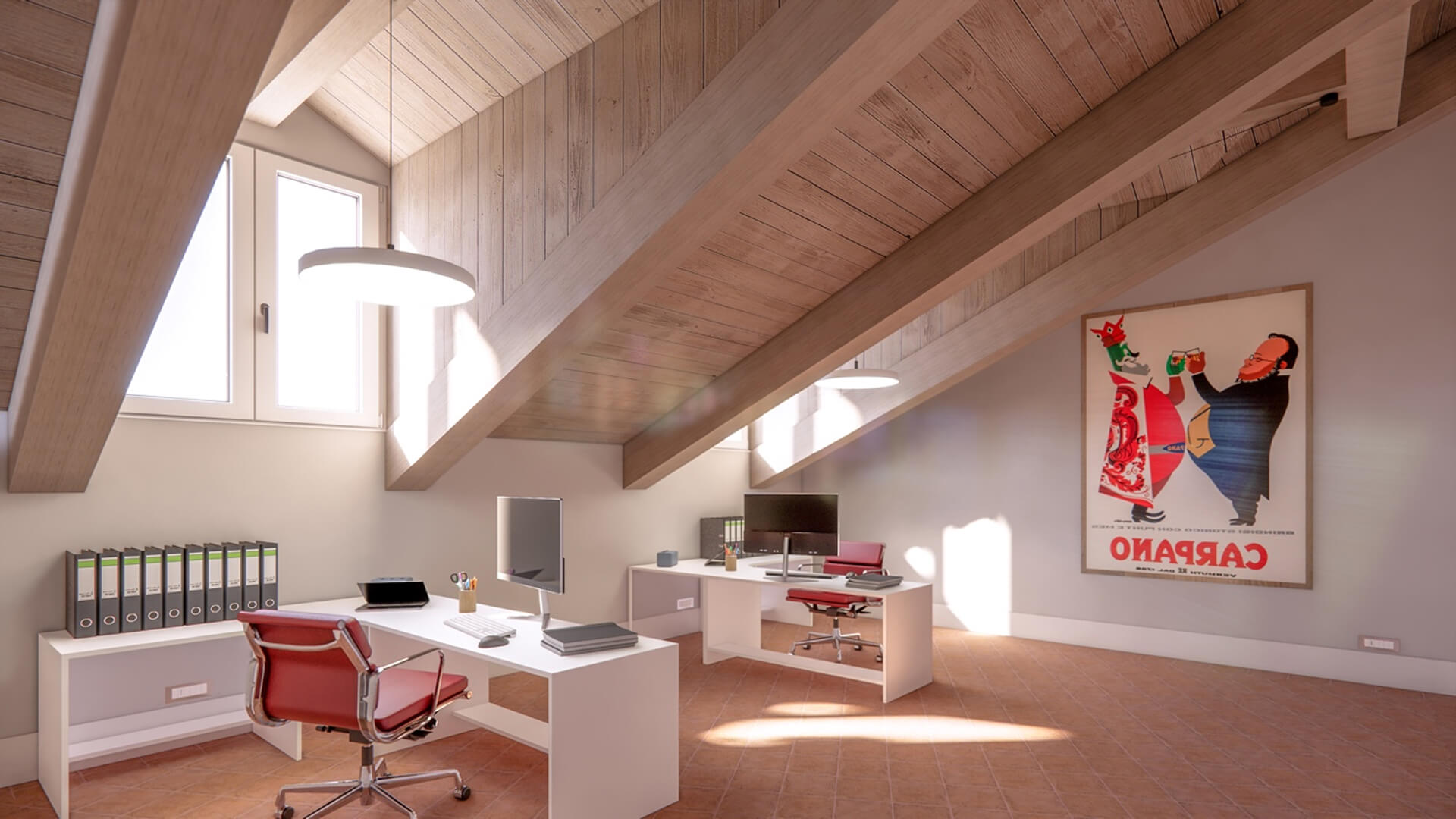
The interior space, located in the renovated attic, features a sloped roof with exposed wooden beams and beadboard cladding, illuminated by vertical windows on the façade. The space is furnished as an office with desks, workstations, shelving, and computer stations, creating a space designed for study or work. The stoneware flooring and suspended lighting fixtures highlight the functional and system upgrades, while the exposed wooden structure demonstrates the restoration of the existing envelope as part of the attic renovation.


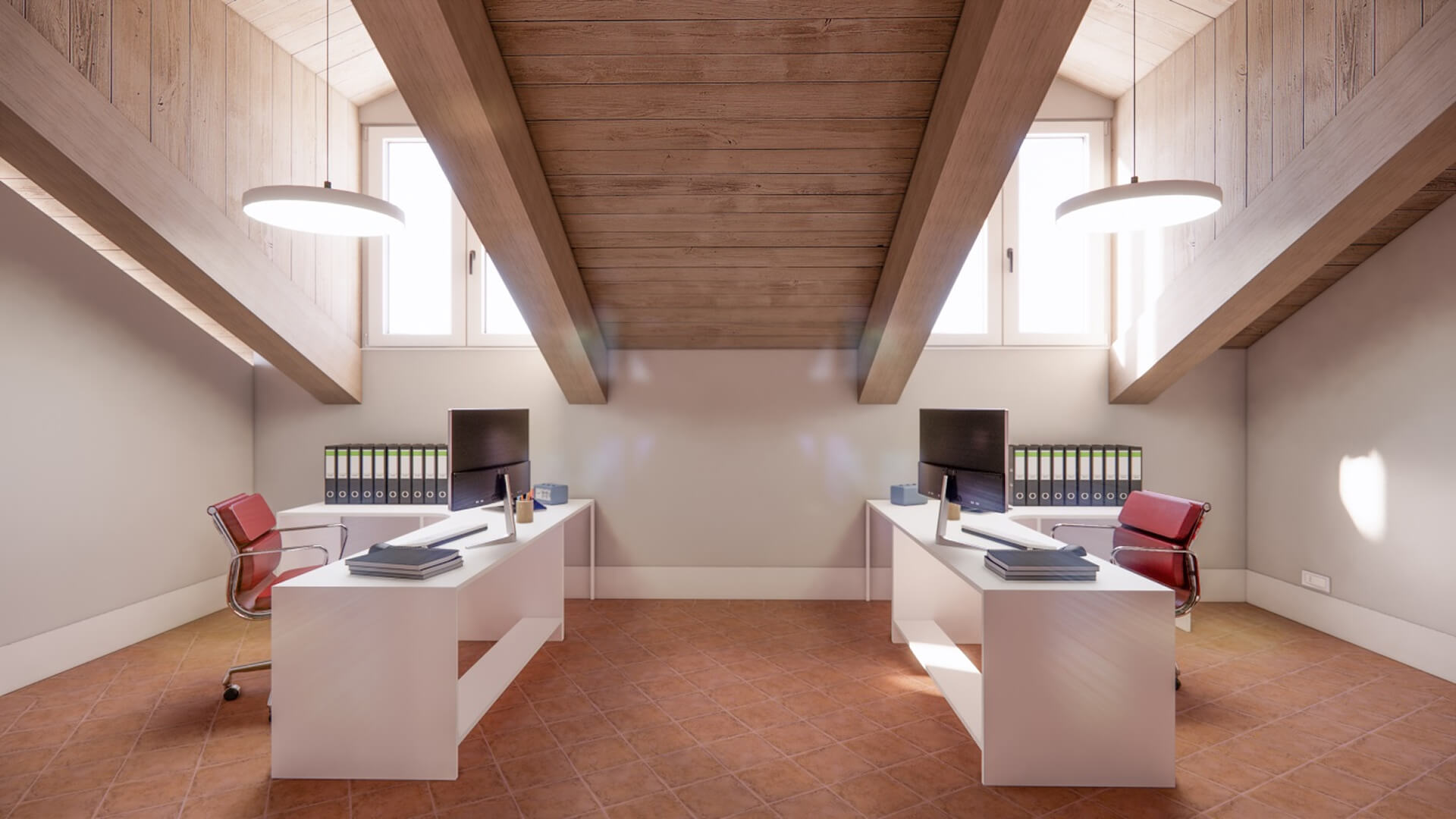
The interior space, located in the renovated attic, features a sloped roof with exposed wooden beams and beadboard cladding, illuminated by opposing windows that provide natural light on both sides. The space is organized as an office with two symmetrical workstations, equipped with desks, task chairs, and filing cabinets, creating a space intended for administrative or study purposes. The stoneware flooring, suspended lighting fixtures, and the restoration of the wooden structure highlight the functional adaptation of the attic space as part of the building's renovation.

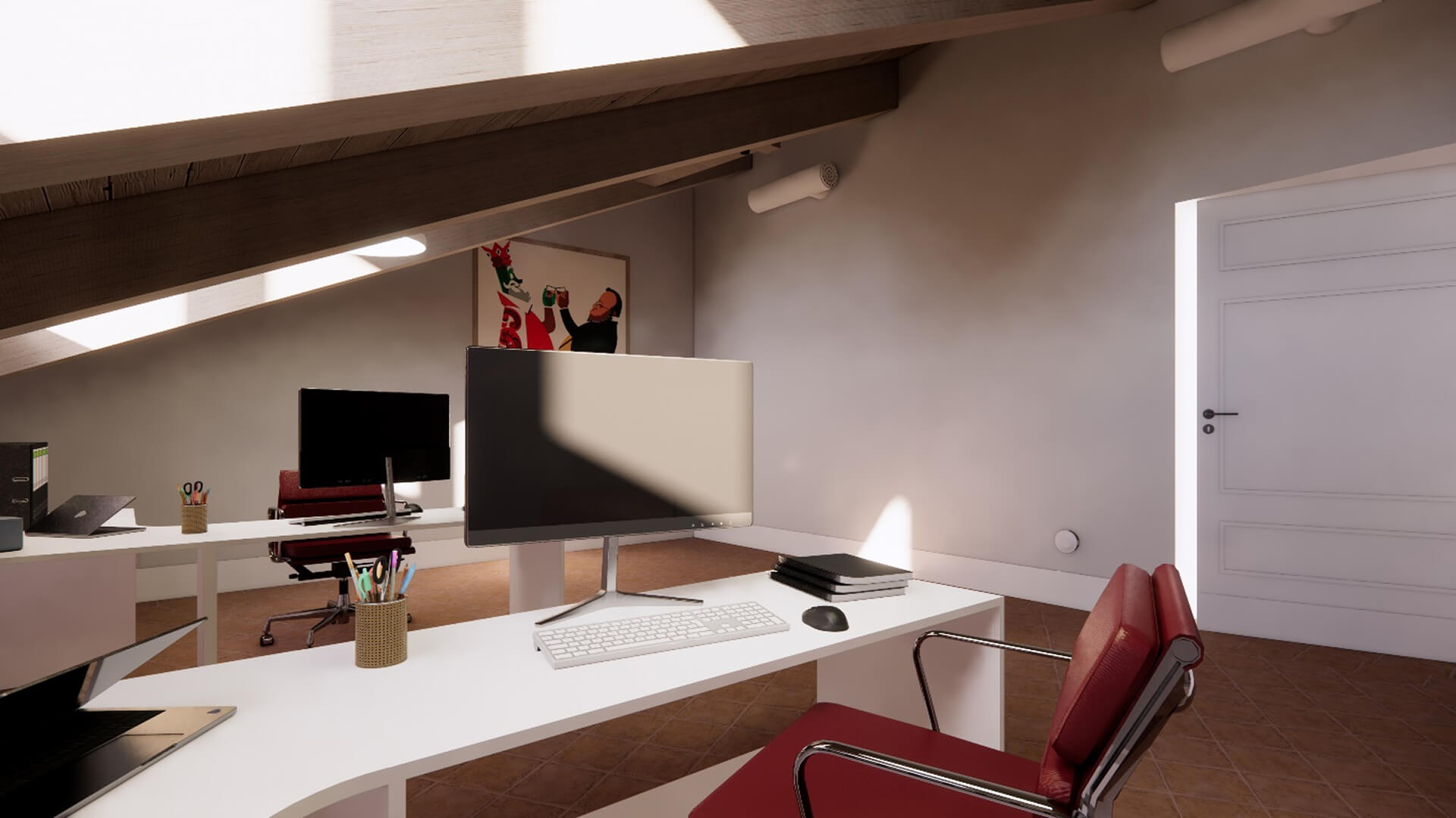
Detail of an office space created in the renovated attic, featuring a sloped roof and exposed wooden beams that define the variable height of the space. The space is furnished with workstations, chairs, and computer stations, creating a space designed for administrative or study purposes. The stoneware flooring, linear lighting fixtures, and the integration of utilities along the roof highlight the functional adaptation, while the presence of the restored wooden structure demonstrates the reuse of the existing space as part of the attic renovation.

An office space located in the renovated attic, featuring a sloped roof with exposed wooden beams and matchboard cladding, defining a space of variable heights illuminated by windows along the roof. The space is furnished with two workstations complete with desks, task chairs, and filing cabinets, creating a space intended for administrative or study purposes. The stoneware flooring, suspended lighting fixtures, and the integration of utilities along the roof highlight the functional adaptation of the attic, while maintaining the original structure as part of the building's renovation.

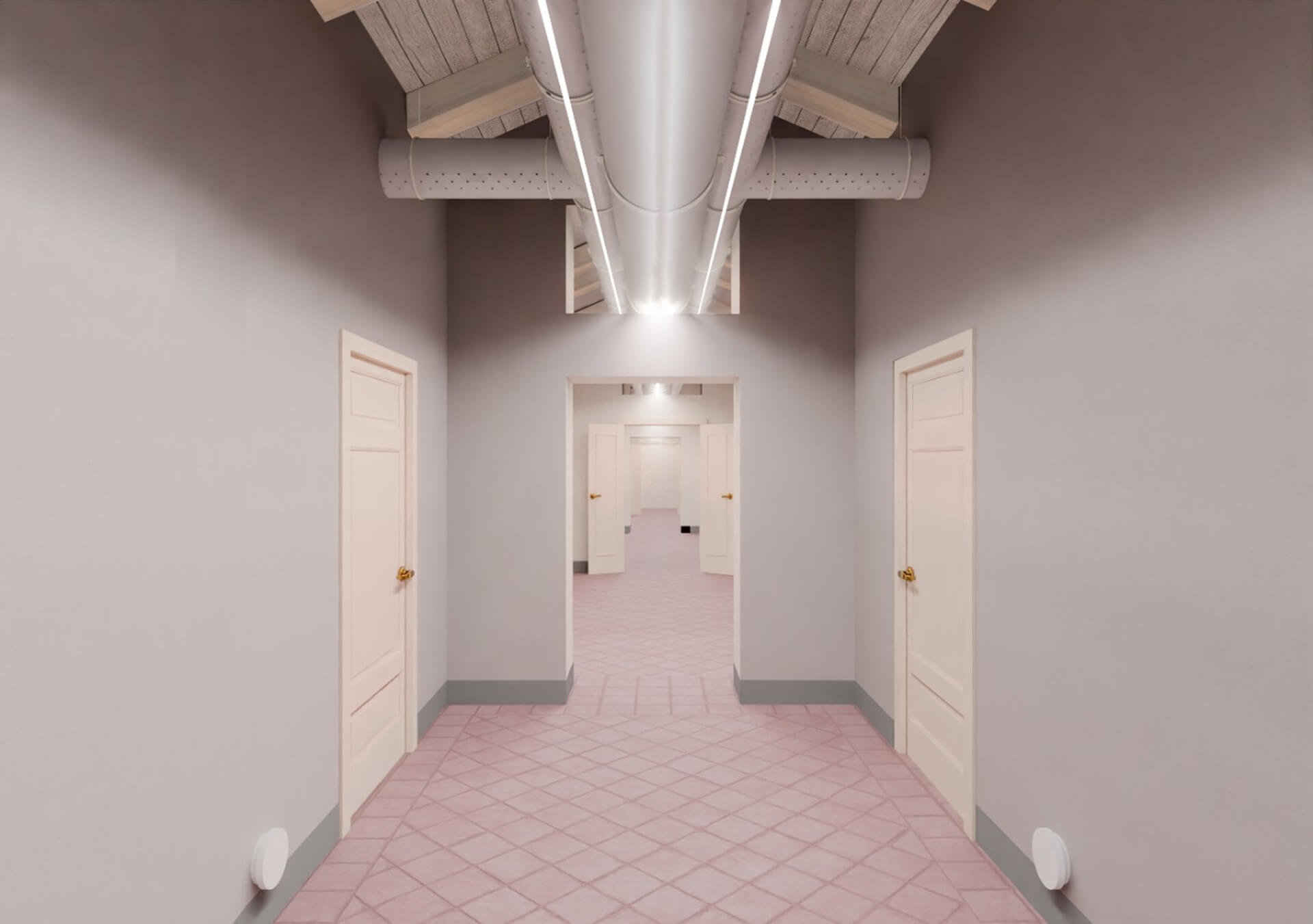
Internal corridor designed in the renovated attic, featuring a sloped roof with exposed wooden structure and centrally located ventilation and ventilation systems along the ridge. The space is organized with a symmetrical sequence of doors leading to the side rooms, while linear lighting integrated into the utility channels ensures uniform lighting along the corridor. The continuous flooring and neutral finishes highlight the functional and utility upgrades aimed at transforming the attic into a distribution area serving the renovated spaces.